
MCL
For adults with mantle cell lymphoma (MCL)
FAQs
Frequently asked questions
It is important to note that there are no head-to-head studies that compared CALQUENCE and Brukinsa. Therefore, no comparisons or conclusions can be made about any difference between CALQUENCE and Brukinsa.
Please speak to your doctor about any additional questions.
Please remember that the results you will see are from a clinical trial and each patient's experience may differ. Speak with your doctor about what you may expect on treatment with CALQUENCE.
In a clinical study of 598 patients with newly diagnosed MCL who cannot receive auto-HSCT,* CALQUENCE + BR delayed cancer growth and spread by a median† of ~5.5 years compared to a median† of ~4.1 years with placebo + BR.
In another clinical study of 124 patients with previously treated MCL after a median† follow-up of 38 months, 81% (101 of 124) achieved a response with CALQUENCE.‡ The median† duration of response was more than 2 years. This means half of the patients in the trial experienced an ongoing response to CALQUENCE (101 patients) for >29 months.
CALQUENCE can cause serious side effects including: serious infections, bleeding problems, decrease in blood cell count, new cancers, heart rhythm problems, and liver problems. Some may lead to death. Tell your doctor if you experience infections such as flu-like symptoms; unexpected bleeding such as blood in your stool or urine; heart rhythm problems such as fast or irregular heartbeat; or liver problems such as stomach pain, dark urine or yellowing of your skin. Use sun protection when outside. The most common side effects of CALQUENCE include diarrhea, upper respiratory infection, headache, muscle and joint pain, lower respiratory tract infection, and tiredness.
For more information on the efficacy results of CALQUENCE + BR and CALQUENCE alone, click here
*Auto-HSCT=autologous hematopoietic stem cell transplant (a type of stem cell transplant that uses patient’s own blood cells).
†Median is the middle number in a group of numbers arranged from lowest to highest.
‡CALQUENCE 100 mg by mouth approximately every 12 hours as a standalone therapy. Radiographic and other tests showed that their cancer reduced in size and did not spread.
BR=bendamustine and rituximab.
CALQUENCE+BR is indicated for previously untreated MCL patients.
CALQUENCE is taken as a 100 mg tablet by mouth 2 times a day (about 12 hours apart) with or without food. Swallow the tablets whole with a glass of water. Do not chew, crush, dissolve, or cut tablets. It’s important to take CALQUENCE exactly as your doctor tells you to take it.
If a dose of CALQUENCE is missed, take the dose as soon as possible. If it is more than 3 hours past usual dosing time, skip the missed dose and take the next dose of CALQUENCE at the regularly scheduled time. Do not take an extra dose to make up for a missed dose.
Bendamustine is administered intravenously by a healthcare professional at a clinic or hospital on days 1 and 2 of each treatment cycle for up to 6 cycles. Each cycle of treatment is 28 days or 4 weeks.
Rituximab is administered intravenously by a healthcare professional at a clinic or hospital on day 1 of each treatment cycle for up to 6 cycles. If a response is achieved during the first 6 cycles, rituximab may be administered on day 1 of every other cycle starting at cycle 8 and ending at cycle 30. Each cycle of treatment is 28 days or 4 weeks.
For previously treated MCL, CALQUENCE can be taken at home or on the go. Take one 100 mg tablet by mouth 2 times a day (about 12 hours apart). CALQUENCE tablets can be taken with or without food. Swallow tablets whole with a glass of water. Do not chew, crush, dissolve, or cut tablets. It’s important to take CALQUENCE exactly as your doctor tells you to take it.
If you miss a dose of CALQUENCE, take it as soon as you remember. If it is more than 3 hours past your usual dosing time, skip the missed dose and take your next dose of CALQUENCE at your regularly scheduled time. Do not take an extra dose to make up for a missed dose.
Some common side effects with CALQUENCE may be managed at home. It’s important to have an open dialog with your doctor about side effects since they are the most familiar with your medical history and are best positioned to help manage side effects.
CALQUENCE may interact with prescriptions or over-the-counter medications, vitamins, and herbal supplements.
Interactions may affect how CALQUENCE works or may cause side effects. Depending on the medication, your doctor may need to adjust your therapy. Do not change your dose or stop taking CALQUENCE unless your healthcare provider tells you to. It is important to give your doctor a complete list of medications that you are taking, including all nutritional supplements, vitamins, or over-the-counter medications. Especially tell your healthcare provider if you take a blood thinner medicine.
Common medications, vitamins, or herbal supplements that may interact with CALQUENCE*
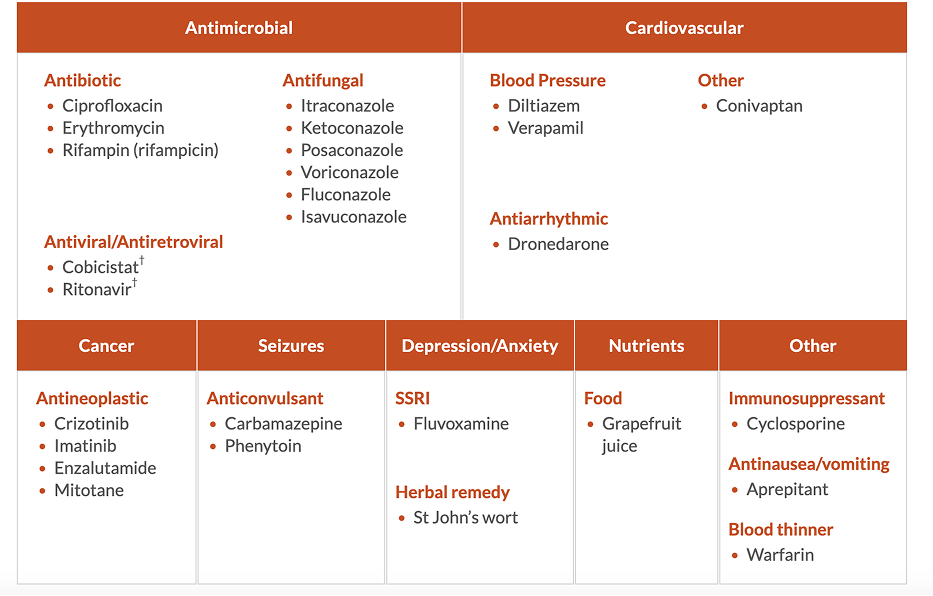
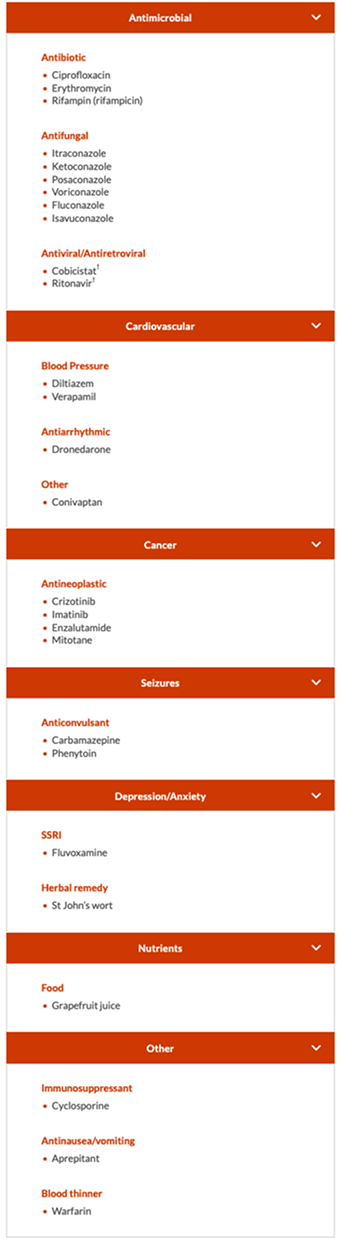
*Does not represent all possible examples. Please ask your doctors if you have any questions.
†Ritonavir and cobicistat are medications usually given in combination with other drugs for conditions including HIV and HCV.
You will receive your CALQUENCE prescription from a specialty pharmacy. This will be coordinated by your care team, and you will receive your prescription from either the pharmacy of your doctor’s office or from one of AstraZeneca’s in-network Specialty Pharmacy Providers.
Once your doctor sends your prescription to a selected specialty pharmacy, you or your caregiver will receive a phone call (or text) from the pharmacy to arrange pickup at your doctor’s office or delivery from a pharmacy. The pharmacy will also contact you to make sure you understand how to take your medication, what to expect, and possible side effects before you get started. If a copay is required, the pharmacy will discuss payment options with you.
CALQUENCE is covered by most commercial, Medicare, and government insurance plans. The AstraZeneca Access 360™ program can help you understand your benefits and help obtain coverage. To learn more, please call 1-844-ASK-A360 (1-844-275-2360), Monday through Friday, 8 AM – 6 PM ET or visit www.MyAccess360.com.
Yes, the CALQUENCE Copay Savings Program can help eligible commercially insured patients with their out-of-pocket costs. Patients may pay as little as $0* per month for CALQUENCE. There are no income requirements to participate in this program.
Talk to your doctor or pharmacist, who can help you enroll in the program and file claims on your behalf. For more information about eligibility requirements, please call 1-844-ASK-A360 (1-844-275-2360), Monday through Friday, 8 AM – 6 PM ET or visit www.AZPatientSupport.com.
If you are facing affordability challenges, CALQUENCE is supported by the AZ&Me™ Prescription Savings Program, a free drug program for qualified patients with Medicare or no insurance. To learn more about this program, please visit www.AZandMe.com.
*Terms and conditions apply. See site for full eligibility and terms of use.
Yes, our real patient stories feature stories and voices of others who understand what you’re going through. You can also join our Facebook Group to connect and share online. You can also reach out to these support organizations for additional help:
• Blood Cancer United: https://bloodcancerunited.org/resources
• Lymphoma Research Foundation: https://lymphoma.org/resources/supportservices/
• Leukemia Research Foundation: https://leukemiarf.org/patients/
Before taking CALQUENCE, tell your healthcare provider about all of your medical conditions, including if you:
- have had recent surgery or plan to have surgery. Your healthcare provider may stop CALQUENCE for any planned medical, surgical, or dental procedure.
- have bleeding problems.
- have or had heart rhythm problems.
- have an infection.
- have or had liver problems, including hepatitis B virus (HBV) infection.
- are pregnant or plan to become pregnant. CALQUENCE may harm your unborn baby and cause problems during childbirth (dystocia).
Females who are able to become pregnant:- Your healthcare provider may do a pregnancy test before you start treatment with CALQUENCE
- Use effective birth control (contraception) during treatment with CALQUENCE and for 1 week after the last dose of CALQUENCE
- are breastfeeding or plan to breastfeed. It is not known if CALQUENCE passes into your breast milk. Do not breastfeed during treatment with CALQUENCE and for 2 weeks after your last dose of CALQUENCE.
Tell your healthcare provider about all the medicines you take, including prescription and over-the-counter medicines, vitamins, and herbal supplements. Taking CALQUENCE with certain other medications may affect how CALQUENCE works and can cause side effects. Especially tell your healthcare provider if you take a blood thinner medicine.
How should I take CALQUENCE?
- Take CALQUENCE exactly as your healthcare provider tells you to take it.
- Do not change your dose or stop taking CALQUENCE unless your healthcare provider tells you to.
- Your healthcare provider may tell you to decrease your dose, temporarily stop, or completely stop taking CALQUENCE if you develop certain side effects.
- Take CALQUENCE 2 times a day (about 12 hours apart).
- Take CALQUENCE with or without food.
- Swallow CALQUENCE tablets whole with a glass of water. Do not chew, crush, dissolve, or cut tablets.
- If you miss a dose of CALQUENCE, take it as soon as you remember. If it is more than 3 hours past your usual dosing time, skip the missed dose and take your next dose of CALQUENCE at your regularly scheduled time. Do not take an extra dose to make up for a missed dose.
What are the possible side effects of CALQUENCE?
CALQUENCE can cause serious side effects, including:
- Serious infections have happened during treatment with CALQUENCE and may lead to death. Your healthcare provider may prescribe certain medicines if you have an increased risk of getting infections. Tell your healthcare provider right away if you have any signs or symptoms of an infection, including fever, chills, or flu-like symptoms.
- Bleeding problems (hemorrhage) have happened in people treated with CALQUENCE and can be serious and may lead to death. Your risk of bleeding may increase if you are also taking a blood thinner medicine. Tell your healthcare provider right away if you have any signs or symptoms of bleeding, including blood in your stools or black stools (looks like tar), pink or brown urine, unexpected bleeding or bleeding that is severe or you cannot control, vomit blood or vomit that looks like coffee grounds, cough up blood or blood clots, dizziness, weakness, confusion, changes in your speech, headache that lasts a long time, or bruising or red or purple skin marks.
- Decrease in blood cell counts. Decreased white blood cell counts, red blood cell counts, and platelet counts can be severe during treatment with CALQUENCE. Your healthcare provider should do blood tests to check your blood counts regularly during treatment with CALQUENCE.
- Second primary cancers. New cancers have happened in people during treatment with CALQUENCE, including cancers of the skin or other organs. Your healthcare provider will check you for skin cancers during treatment with CALQUENCE. Use sun protection when you are outside in sunlight.
- Heart rhythm problems (cardiac arrhythmias) have happened in people treated with CALQUENCE, and can be serious or lead to death. Tell your healthcare provider right away if you have any of the following signs or symptoms: fast or irregular heartbeat, dizziness, feeling faint, chest discomfort, or shortness of breath.
- Liver problems. Liver problems have happened in people treated with CALQUENCE, and can be severe or life-threatening, or lead to death. Tell your healthcare provider right away if you experience stomach pain or discomfort, urine of dark color or yellowing of your skin. Your healthcare provider will request tests to monitor your liver function during treatment with CALQUENCE.
The most common side effects of CALQUENCE include upper respiratory infection, diarrhea, headache, muscle and joint pain, decreased white blood cell counts, and decreased platelet counts.
These are not all the possible side effects of CALQUENCE. Call your doctor for medical advice about side effects. You may report side effects to FDA at 1-800-FDA-1088.
What is CALQUENCE?
CALQUENCE is a prescription medicine used to treat adults with:
- Mantle cell lymphoma (MCL) in combination with bendamustine and rituximab in people who have not had prior treatment for MCL and who cannot receive a type of stem cell transplant that uses their own blood stem cells (autologous hematopoietic stem cell transplantation [HSCT]).
- Mantle cell lymphoma (MCL) who have received at least one prior therapy.
- Chronic lymphocytic leukemia (CLL) or small lymphocytic lymphoma (SLL).
It is not known if CALQUENCE is safe and effective in children.
Please see full Prescribing Information, including Patient Information .
You may report side effects related to AstraZeneca
products.




 This product information is for US residents only.
CALQUENCE is a registered trademark, AstraZeneca Access 360, and AZ&Me are trademarks of the AstraZeneca group of companies.
AstraZeneca Access 360 does not guarantee reimbursement.
©2026 AstraZeneca. All rights reserved. US-115263 Last Updated 8/26
You are about to enter the CALQUENCEHCP.com site for healthcare professionals.
The information on this site is intended for US healthcare professionals only.