
MCL
For adults with mantle cell lymphoma (MCL)
How CALQUENCE Works

How CALQUENCE + BR works for previously untreated MCL
CALQUENCE in combination with bendamustine and rituximab (BR) is a treatment approved to treat adults who have not had prior treatment for MCL and who cannot receive a type of stem cell transplant that uses their own blood stem cells.*
Three ways to help fight MCL

CALQUENCE targets BTK to help stop the growth and spread of MCL cells.†
- BTK is a protein that contributes to the growth and spread of MCL cells

Bendamustine + rituximab (BR) is a chemoimmunotherapy that works differently to destroy MCL cells.†
- Bendamustine causes DNA damage
- Rituximab helps the immune system attack the MCL cells
How CALQUENCE alone works for previously treated MCL
A targeted treatment to help fight MCL
CALQUENCE blocks a protein called BTK to help stop the growth of MCL cells.†
*Autologous hematopoietic stem cell transplantation
†Healthy cells may also be affected.
BTKi=Bruton tyrosine kinase inhibitor.
WATCH CALQUENCE IN ACTION FOR PREVIOUSLY TREATED MCL

MCL is a blood cancer that affects B cells, which are a type of white blood cell. Typically, B cells help fight off infection.
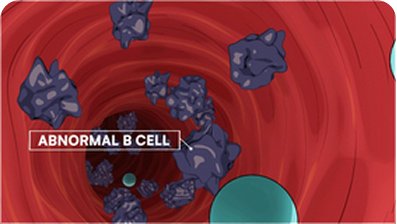
But when you have MCL, the body makes abnormal B cells, which are cancer cells. These abnormal cells grow out of control, overtaking normal B cells and preventing them from working properly.

CALQUENCE targets a specific protein inside of cells, called BTK, that tells them to grow by blocking the protein from sending out growth and survival signals.
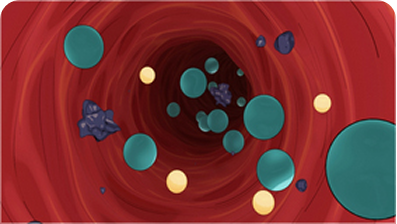
By blocking BTK, CALQUENCE helps stop certain cancer cells from forming or growing and causes cancer cells to die. There is a chance that CALQUENCE may affect healthy cells, too. It's important to remember to take CALQUENCE twice a day, approximately every 12 hours, so you can treat your previously treated MCL.


You are about to enter the CALQUENCEHCP.com site for healthcare professionals.
The information on this site is intended for US healthcare professionals only.
Before taking CALQUENCE, tell your healthcare provider about all of your medical conditions, including if you:
- have had recent surgery or plan to have surgery. Your healthcare provider may stop CALQUENCE for any planned medical, surgical, or dental procedure.
- have bleeding problems.
- have or had heart rhythm problems.
- have an infection.
- have or had liver problems, including hepatitis B virus (HBV) infection.
- are pregnant or plan to become pregnant. CALQUENCE may harm your unborn baby and cause problems during childbirth (dystocia).
Females who are able to become pregnant:- Your healthcare provider may do a pregnancy test before you start treatment with CALQUENCE
- Use effective birth control (contraception) during treatment with CALQUENCE and for 1 week after the last dose of CALQUENCE
- are breastfeeding or plan to breastfeed. It is not known if CALQUENCE passes into your breast milk. Do not breastfeed during treatment with CALQUENCE and for 2 weeks after your last dose of CALQUENCE.
Tell your healthcare provider about all the medicines you take, including prescription and over-the-counter medicines, vitamins, and herbal supplements. Taking CALQUENCE with certain other medications may affect how CALQUENCE works and can cause side effects. Especially tell your healthcare provider if you take a blood thinner medicine.
How should I take CALQUENCE?
- Take CALQUENCE exactly as your healthcare provider tells you to take it.
- Do not change your dose or stop taking CALQUENCE unless your healthcare provider tells you to.
- Your healthcare provider may tell you to decrease your dose, temporarily stop, or completely stop taking CALQUENCE if you develop certain side effects.
- Take CALQUENCE 2 times a day (about 12 hours apart).
- Take CALQUENCE with or without food.
- Swallow CALQUENCE tablets whole with a glass of water. Do not chew, crush, dissolve, or cut tablets.
- If you miss a dose of CALQUENCE, take it as soon as you remember. If it is more than 3 hours past your usual dosing time, skip the missed dose and take your next dose of CALQUENCE at your regularly scheduled time. Do not take an extra dose to make up for a missed dose.
What are the possible side effects of CALQUENCE?
CALQUENCE can cause serious side effects, including:
- Serious infections have happened during treatment with CALQUENCE and may lead to death. Your healthcare provider may prescribe certain medicines if you have an increased risk of getting infections. Tell your healthcare provider right away if you have any signs or symptoms of an infection, including fever, chills, or flu-like symptoms.
- Bleeding problems (hemorrhage) have happened in people treated with CALQUENCE and can be serious and may lead to death. Your risk of bleeding may increase if you are also taking a blood thinner medicine. Tell your healthcare provider right away if you have any signs or symptoms of bleeding, including blood in your stools or black stools (looks like tar), pink or brown urine, unexpected bleeding or bleeding that is severe or you cannot control, vomit blood or vomit that looks like coffee grounds, cough up blood or blood clots, dizziness, weakness, confusion, changes in your speech, headache that lasts a long time, or bruising or red or purple skin marks.
- Decrease in blood cell counts. Decreased white blood cell counts, red blood cell counts, and platelet counts can be severe during treatment with CALQUENCE. Your healthcare provider should do blood tests to check your blood counts regularly during treatment with CALQUENCE.
- Second primary cancers. New cancers have happened in people during treatment with CALQUENCE, including cancers of the skin or other organs. Your healthcare provider will check you for skin cancers during treatment with CALQUENCE. Use sun protection when you are outside in sunlight.
- Heart rhythm problems (cardiac arrhythmias) have happened in people treated with CALQUENCE, and can be serious or lead to death. Tell your healthcare provider right away if you have any of the following signs or symptoms: fast or irregular heartbeat, dizziness, feeling faint, chest discomfort, or shortness of breath.
- Liver problems. Liver problems have happened in people treated with CALQUENCE, and can be severe or life-threatening, or lead to death. Tell your healthcare provider right away if you experience stomach pain or discomfort, urine of dark color or yellowing of your skin. Your healthcare provider will request tests to monitor your liver function during treatment with CALQUENCE.
The most common side effects of CALQUENCE include upper respiratory infection, diarrhea, headache, muscle and joint pain, decreased white blood cell counts, and decreased platelet counts.
These are not all the possible side effects of CALQUENCE. Call your doctor for medical advice about side effects. You may report side effects to FDA at 1-800-FDA-1088.
What is CALQUENCE?
CALQUENCE is a prescription medicine used to treat adults with:
- Mantle cell lymphoma (MCL) in combination with bendamustine and rituximab in people who have not had prior treatment for MCL and who cannot receive a type of stem cell transplant that uses their own blood stem cells (autologous hematopoietic stem cell transplantation [HSCT]).
- Mantle cell lymphoma (MCL) who have received at least one prior therapy.
- Chronic lymphocytic leukemia (CLL) or small lymphocytic lymphoma (SLL).
It is not known if CALQUENCE is safe and effective in children.
Please see full Prescribing Information, including Patient Information .
You may report side effects related to AstraZeneca
products.




 This product information is for US residents only.
CALQUENCE is a registered trademark, AstraZeneca Access 360, and AZ&Me are trademarks of the AstraZeneca group of companies.
AstraZeneca Access 360 does not guarantee reimbursement.
©2026 AstraZeneca. All rights reserved. US-100219, US-114687 Last Updated 8/26